Computational neuroscientist

Sahil Moza

How does a whole brain reconfigure when an animal learns?

Postdoctoral Fellow, Zhang Lab
Department of Organismic and Evolutionary Biology, Harvard University

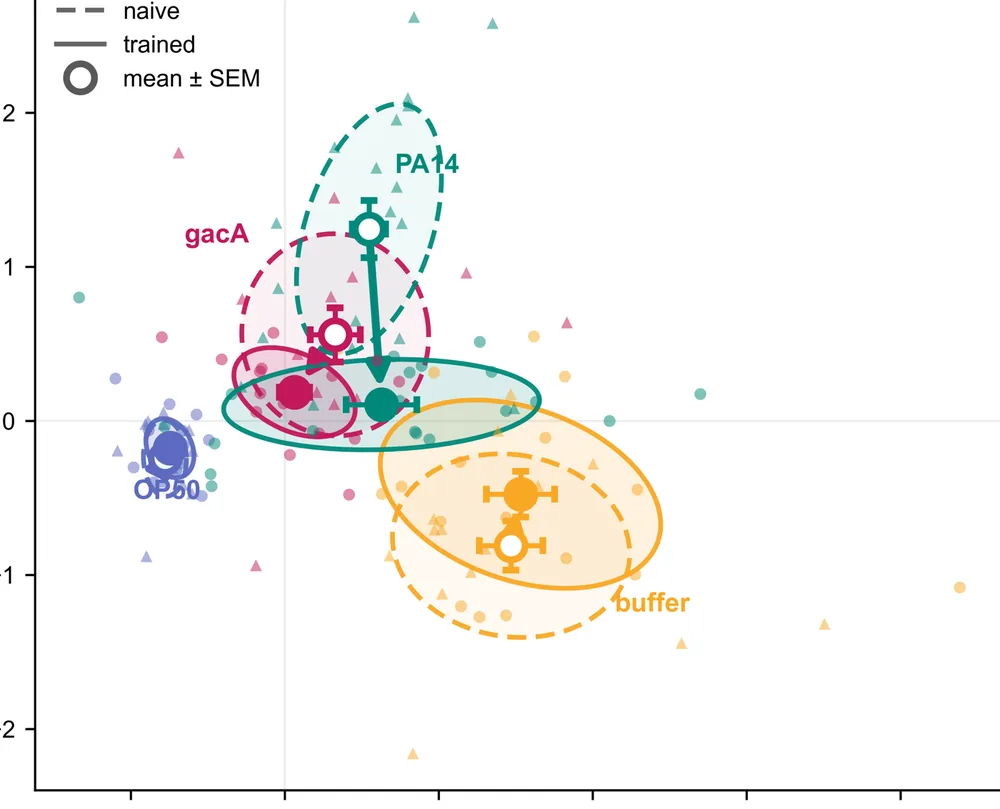
I work on learning dynamics: how activity across an entire nervous system is reorganized when an animal learns, measured at the resolution of single neurons. At the Zhang Lab, Harvard, I lead the computational analysis and modeling for a whole-brain imaging project in C. elegans, where we find that aversive learning reorganizes activity throughout the brain, but only in the context where the learned choice matters, and leaves the animal’s ability to sense the pathogen intact.

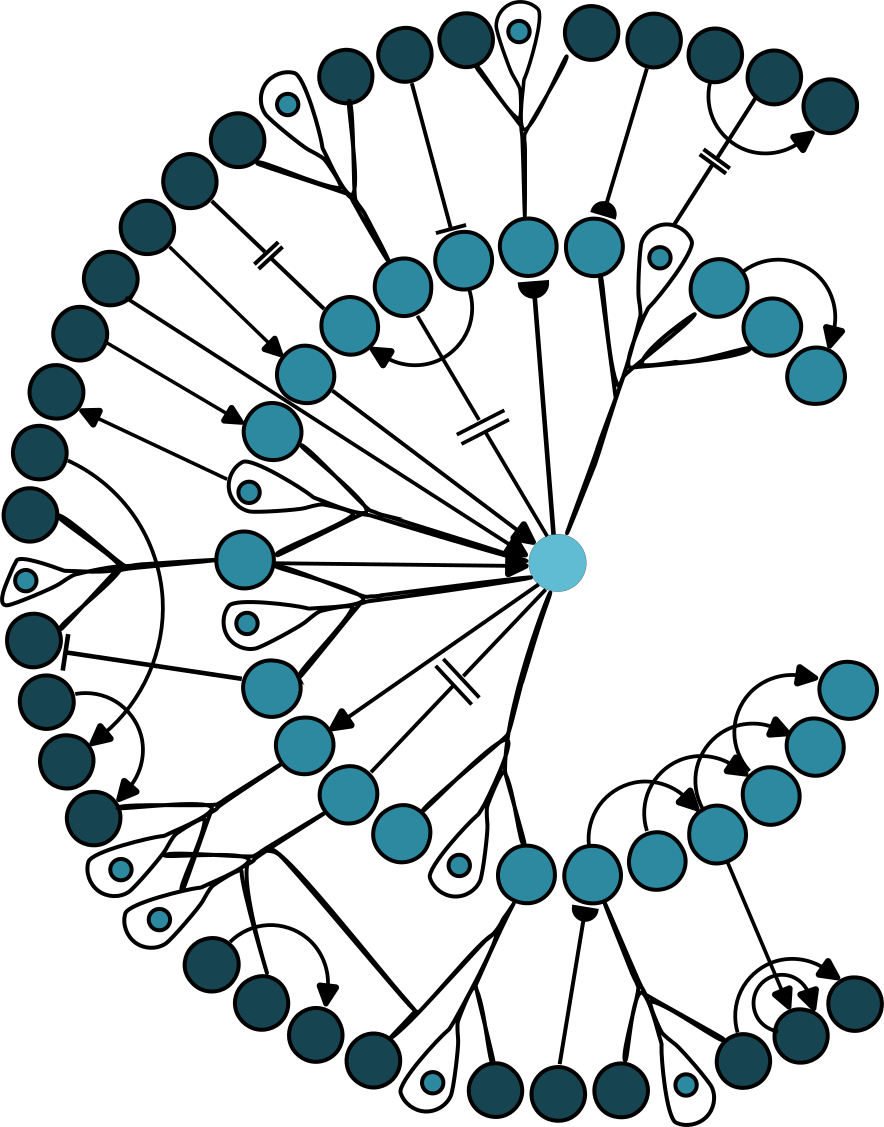
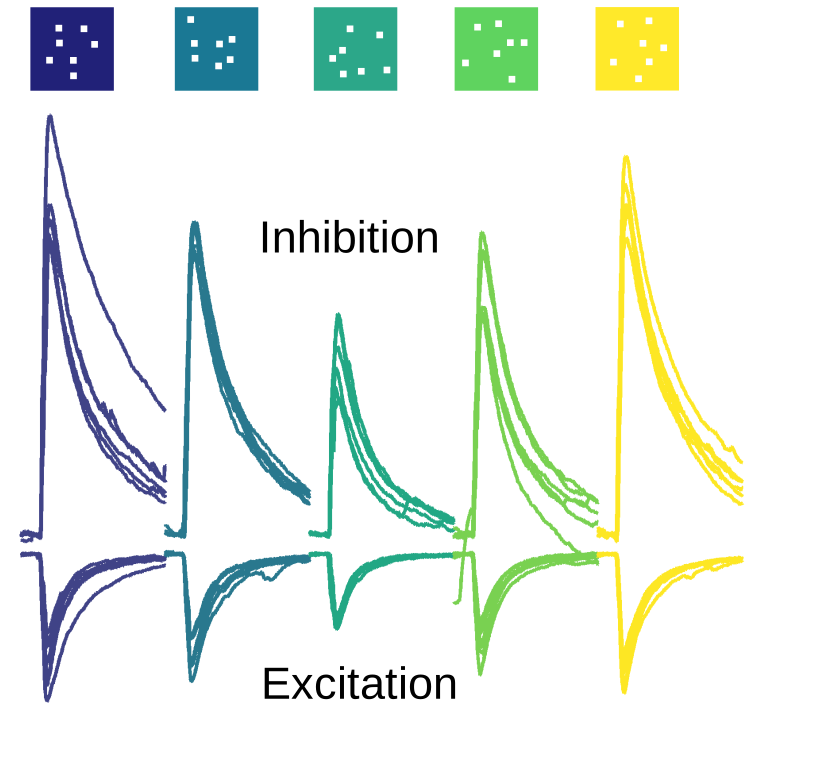
To make that kind of analysis routine I build CeDNe, an open-source framework that puts the worm’s connectome, cell identities, gene expression, neuropeptide signalling and calcium imaging into one graph model that can be queried, simulated and fit, in code or in the browser at beta.cedne.org. Before this, in Upinder Bhalla’s lab at NCBS, I showed how precise excitation–inhibition balance implements gain control in the hippocampus, and which small chemical networks can hold a bit of memory against noise.

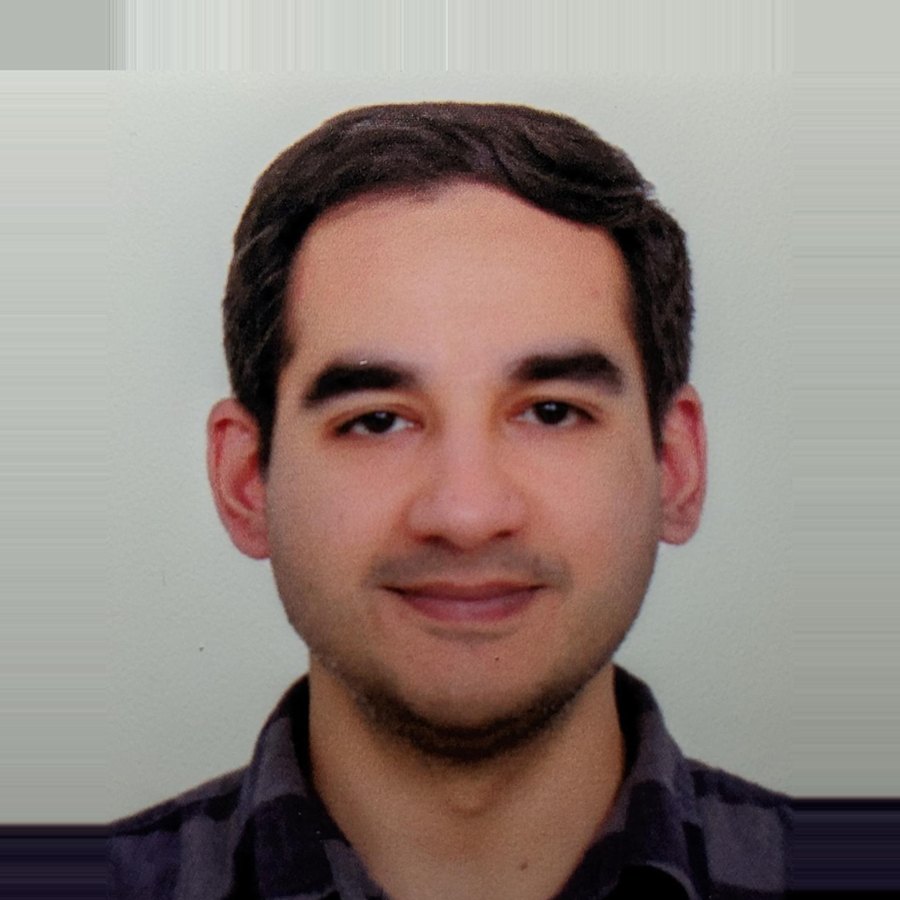
Portrait of Sahil Moza

01Research

All research

02Selected publications

All publications
  1. bioRxiv

    Aversive learning induces context-gated global reorganization of neural dynamics in Caenorhabditis elegans

    J. Liang*, S. Moon*, S. Moza*, H.J. Lee*, P.E. Eleftheriadis, J. Chen, M. Ge, M. Chen, H. Lu, Y. Zhang

    bioRxiv (2025) · Under revision

    Abstract

    Learning generates experience-dependent changes to the brain. However, how neurons of diverse functions and connectivity reorganize and modulate their activities to generate coherent changes while preserving essential functions is not well understood. Here, we address this question using an aversive olfactory learning paradigm whereby Caenorhabditis elegans learns to reduce its olfactory preference for pathogenic bacteria. Using functional imaging during olfactory stimulation in naive and trained animals, we show that, at brain-wide scale, cell type-by-cell type, learning induces context-gated reconfiguration of the organization of neural activity throughout the brain to alter neural responses only during bacteria-discrimination task, while leaving intact bacteria-sensing functions. We found that the context-gated encoding of learning is globally distributed across layers of the nervous system, composed of neurons carrying information of context or learning experience. In particular, aversive training modulates multiple functional connections within the nervous system, including those between sensory neurons and interneurons, as well as those among interneurons, in a context-gated manner. At the systems level, training modulates correlated activity of neural populations; we found that low-dimensional temporal patterns of population activity correlate well with locomotory gaits that express olfactory preferences. Upon training, the rotation and contraction of the low-dimensional neural manifolds shifts the brain into predisposed states for the context-gated display of learned behavior. Because animals encounter unpredictable environments in life, efficient learning about relevant cues while maintaining other functions is essential for survival. Our findings uncover network-level mechanisms that help explain how the brain reorganizes its activity patterns to both encode new experience and preserve essential functions.

  2. bioRxiv

    CeDNe: a multi-scale computational framework for modeling structure-function relationships in the C. elegans nervous system

    S. Moza, Y. Zhang

    bioRxiv (2025)

    Abstract

    Understanding how neural circuits generate behavior requires integrating structural and functional data across scales. C. elegans with its complete connectome, genetically identifiable neurons, single-cell transcriptome, neuropeptide-receptor distribution, and an amenability to simultaneous measurement of brain-wide neural activity and behavior presents a unique opportunity for such a multiscale circuit analysis. However, the absence of a unifying framework to connect these diverse datasets limits our ability to connect network structure and attributes with function. Here we introduce CeDNe (C. elegans Dynamical Network), an open-source computational framework that integrates anatomical, molecular, and imaging datasets into a unified graph-based representation that enables multimodal data analysis by cross-referencing different omics layers in a single computational environment. Specifically, CeDNe provides modular tools for visualizing and analyzing network connectivity, motif distribution, and circuit paths. Further, it incorporates a computational framework that simulates neural dynamics and optimizes network models to bridge structural connectivity with neural activity. Thus, CeDNe establishes a scalable foundation for data-driven modeling of the nervous system. This open-source tool not only facilitates computational connectomics and multimodal analyses in C. elegans but also serves as a generalizable framework for investigating structure-function relationships in neural networks of other organisms.

* equal contribution

03News

  1. Poster at the Kempner Institute 2026 conference, Harvard: how a whole brain reconfigures with learning.

  2. Poster at Neuroscience 2025, Society for Neuroscience, San Diego.

  3. Preprint with the Lu and Zhang labs: network modularity reveals context- and state-dependent reorganization of functional connectivity in single-cell resolved recordings.

  4. Preprint: CeDNe, a multi-scale computational framework for structure–function modeling of the C. elegans nervous system. Code on GitHub.

  5. Preprint: aversive learning induces context-gated, brain-wide reorganization of neural dynamics in C. elegans.

  6. Poster on CeDNe at Analysis and Modeling of Connectomes, Janelia Research Campus. CeDNe is now open source.